8 Things to Know Before Planning an Extension with Basement
An extension with basement is one of the most effective ways to add valuable living space to a property, especially in dense urban areas where outward or upward expansion is limited.

In cities like London, homeowners are increasingly looking below ground to unlock space for growing families, home offices, gyms, and entertainment areas.
However, a basement extension is a complex project that requires careful planning, expert design, and a strong understanding of local regulations. Before starting, it’s essential to understand what’s involved and how to avoid costly mistakes. Here are eight key things to know before planning an extension with basement, explained in simple and practical terms.
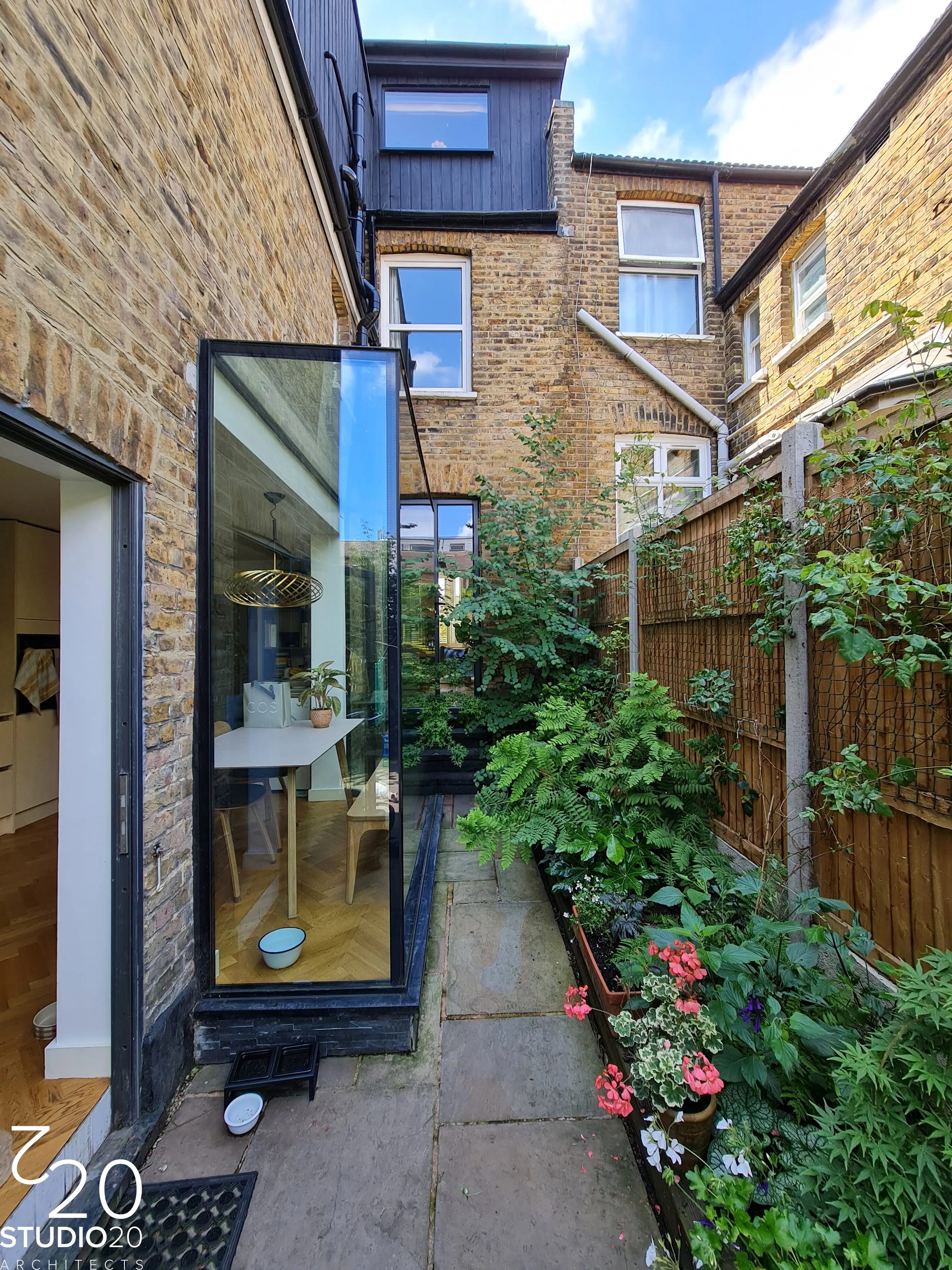
1. Not Every Property Is Suitable for a Basement Extension
The first thing to understand is that not all homes are ideal for a basement extension. Factors such as soil conditions, water tables, existing foundations, and nearby structures all play a major role.
In London, many period homes can accommodate basements, but each site must be assessed individually. Terraced and semi-detached houses often require additional structural measures to protect neighbouring properties. This is why working with experienced architects in London is essential at the feasibility stage. A professional assessment can determine whether a basement extension is structurally and financially viable before you commit to the project.
2. Planning Permission and Local Policies Matter
Planning rules for basement developments vary across boroughs in London. Some councils have strict policies regarding basement depth, footprint, light wells, and impact on neighbours.
In many cases, an extension with basement will require full planning permission, especially if it extends beyond the existing footprint or affects the front or rear garden. Conservation areas and listed buildings have additional restrictions.
Understanding these local policies early can save months of delays. Specialist practices like Studio20 Architects regularly work with London planning authorities and design basement extensions that align with council guidelines while still meeting client needs.
3. Basement Construction Is More Complex Than Above-Ground Extensions
A basement extension involves excavation, underpinning, waterproofing, and structural reinforcement. These processes are significantly more complex than building above ground and require specialist contractors and engineers.
Waterproofing is particularly critical. A poorly designed basement can suffer from damp or flooding issues that are difficult and expensive to fix later. A well-planned design integrates proper drainage systems, tanking, and ventilation from the outset.
This level of complexity is why early collaboration between architects, structural engineers, and contractors is so important.
4. Natural Light and Ventilation Must Be Carefully Designed
One of the most common concerns homeowners have about basements is the lack of natural light. A successful extension with basement should feel like a natural part of the home, not a dark, enclosed space.
Design solutions such as light wells, sunken courtyards, glazed floors, roof lights, and open staircases can dramatically improve daylight and airflow. When designed correctly, basement spaces can feel just as bright and comfortable as above-ground rooms.
Experienced architects in London understand how to maximise light while meeting planning and privacy requirements, especially in closely built neighbourhoods.
5. Party Wall Agreements Are Often Required
If your property shares walls with neighbouring homes, which is common in London, you will likely need a Party Wall Agreement before construction begins. This legal process protects both you and your neighbours during excavation and structural works.
Ignoring party wall requirements can lead to disputes, delays, and legal costs. It’s important to factor this process into your project timeline, as it can take several weeks to complete.
Professional architects often coordinate with surveyors and engineers to ensure all legal obligations are met smoothly.
6. Basement Extensions Add Long-Term Value When Done Well
A well-designed basement extension can significantly increase a property’s value, particularly in high-demand London locations. Creating additional bedrooms, bathrooms, or flexible living spaces can make a home far more attractive to future buyers.
However, value depends on quality. Poor layout, lack of light, or low ceiling heights can reduce the appeal of the space. This is where thoughtful design makes a real difference. Practices like Studio20 Architects focus on creating basement extensions that feel integrated, functional, and future-proof, rather than simply adding square footage.
7. Budget Planning Should Include Hidden Costs
Basement projects often cost more than homeowners initially expect. Beyond construction, there are additional costs such as ground investigations, structural engineering, planning consultants, party wall surveyors, and waterproofing warranties.
Unexpected ground conditions can also affect costs once excavation begins. A realistic budget should include a contingency to cover these risks.
Clear communication with your architect and contractor from the start helps ensure that costs are transparent and controlled throughout the project.
8. Choosing the Right Architect Is Crucial
An extension with basement is not a standard project. It requires specialist knowledge, experience with local authorities, and strong coordination skills.
Working with experienced architects in London ensures that your basement extension is not only structurally sound but also well designed, compliant, and suited to your lifestyle. From early feasibility studies to planning submissions and construction drawings, the right architect guides the project at every stage.
Studio20 Architects have extensive experience designing basement extensions across London, focusing on high-quality residential design that balances technical requirements with elegant, practical living spaces.
Final Thoughts
Planning an extension with basement is a major investment, but when done correctly, it can transform how you live in your home. Understanding the challenges, regulations, and design opportunities early on helps you make informed decisions and avoid common pitfalls.
By working with knowledgeable professionals and planning carefully, a basement extension can become one of the most valuable and enjoyable parts of your home—adding space, comfort, and long-term value in a city where every square metre counts.